If Mom Says No Ask Dad: An Embroidery Designer’s Real-World Review
First Impressions: A Lighthearted Design with Broad Appeal
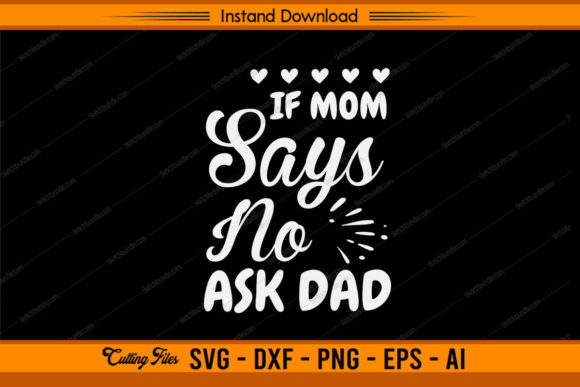
Opening the If Mom Says No Ask Dad embroidery file, I was immediately struck by its playful tone and clever layout. It’s a design that feels both nostalgic and contemporary—perfect for anyone looking to inject a bit of humor into a custom project. The font choice is clean and readable, with just enough character to stand out without being overwhelming. Visually, it leans into a casual, conversational mood, making it ideal for family-themed items or personalized gifts.
Where It Shines: Real-Life Embroidery Projects That Work
I tested If Mom Says No Ask Dad on a few different materials and product types to see how it would hold up in real-world use. Here’s where it really came through:
- Custom Tote Bags: The design scaled beautifully on a canvas tote, maintaining clarity and readability even at a larger size. It looked clean and professional, perfect for a boutique or Etsy listing.
- Personalized Sweatshirts: Stitched onto a medium-weight fleece, the design added a charming, conversational touch. The spacing between letters held up well through washing and wear.
- Baby Onesies: When scaled down, it read clearly on a tiny onesie—great for a baby shower gift or small shop item.
- Embroidered Patches: I digitized it for a patch format, and the crisp lines translated well, especially when using a satin stitch border for definition.
It also worked surprisingly well for seasonal items—think Father’s Day tees, personalized pillow covers for a nursery, or even holiday sweatshirts with a twist.
Design Performance Across Fabric Types
One of the first things I checked was how the design behaved on different fabric textures. On smooth cotton and medium-weight knits, it stitched cleanly and held its shape. The stitch density felt balanced—not too heavy, not too light—which is key for both durability and breathability.
On stretchier fabrics like jersey or spandex blends, I noticed a slight pull around the letters unless I used a firm stabilizer underneath. Dark fabrics required a color contrast test to ensure readability, especially if the original thread colors were light.
Where it struggled a bit was on highly textured or loosely woven materials. The design has a few thinner lines that can get lost in rougher textures. I’d recommend testing on scrap fabric first, especially if you’re working with something like burlap or a loosely woven tea towel.
When to Be Careful: Limitations and Considerations
While If Mom Says No Ask Dad is versatile, there are a few situations where it needs extra attention:
- Small Hoop Sizes: The full phrase doesn’t always fit in smaller hoops without significant scaling. If you're working with a limited hoop size, consider splitting the design or using a shortened version.
- Curved Surfaces: Caps or curved hats can distort the lettering slightly unless the design is adjusted for contouring. I had to tweak placement and tension slightly when testing on a baseball cap.
- Layered Garments: Thick layers, like double-layered hoodies, can cause the stitching to sink into the fabric. A light topping or extra stabilizer helped maintain visibility.
- Detailed Corners: The corners of some letters are fairly sharp and can snag or pucker on thinner fabrics. Reinforcing the area with a lightweight fusible or using a slower stitch speed helped.
Visual Impact and Market Appeal
This design has strong visual appeal, especially for small business owners and Etsy sellers targeting family-oriented or humorous niches. Its readability and clean layout make it feel more polished than many casual embroidery designs.
From a product value standpoint, it elevates even simple items like tote bags or baby onesies into something that feels custom and intentional. For handmade sellers, that’s a big win—it adds perceived value without requiring complex stitching or high production costs.
It also performs well as a digital product preview. I created a few mockups using If Mom Says No Ask Dad on different apparel items and found that the design translated well across styles, making it easy to showcase in digital listings or social media.
Practical Notes for Embroidery Designers
Here are a few actionable tips I picked up while working with this design:
- Test on Scrap Fabric: Always run a test stitch before committing to your final product. This helps catch any tension or spacing issues early.
- Check Thread Color Contrast: Light thread on dark fabric or vice versa can affect readability. Do a quick mockup in black and white to see how the design holds up in different color combinations.
- Review Stitch Density: Make sure the design isn’t too dense for your fabric type. Too many stitches can cause stiffness or puckering, especially on lighter materials.
- Confirm Licensing: Since this is a digital embroidery file, make sure you understand the licensing terms before selling finished products or using it in commercial embroidery projects.
- Use Proper Stabilizer: For best results, especially on stretchy or thin fabrics, use a tear-away or cut-away stabilizer to keep the design crisp and clean.
Final Thoughts: A Solid Addition to Any Embroidery Collection
If Mom Says No Ask Dad is more than just a catchy phrase—it’s a versatile, well-structured embroidery design that works across a variety of projects and product types. Whether you’re creating personalized gifts, boutique apparel, or digital mockups for your shop, it brings a lighthearted charm that customers are likely to appreciate.
As with any embroidery file, success comes down to understanding your materials and testing before production. But once you’ve dialed in the right settings and fabric choices, this design can become a go-to asset in your creative toolkit.