Mom Brain: The Struggle is Real in Embroidery Design
First Impressions: A Relatable Statement in Stitch Form
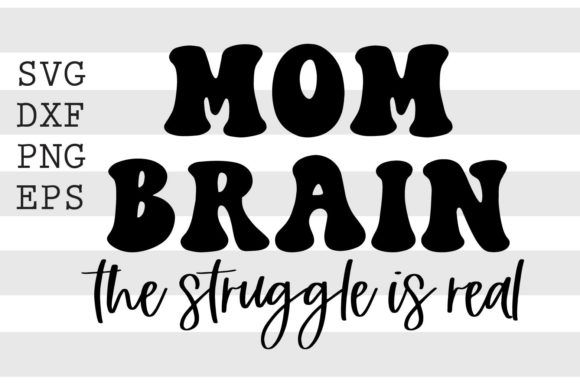
The Mom Brain the Struggle is Real SVG immediately lands in that sweet spot of humor-meets-honesty that modern moms appreciate. As a designer, I can see how this design taps into a shared experience — the chaotic, sleep-deprived, multitasking world of motherhood. The design itself is clean, with a playful font that balances boldness and readability. The layout feels intentional, not cluttered, and the theme is unmistakably casual and conversational. It’s not just a design; it’s a mood — one that’s perfect for light-hearted embroidery projects.
Real-Life Use: From SVG to Stitched Reality
When I first considered using Mom Brain the Struggle is Real SVG in a real project, I imagined it on a custom embroidered tote bag. That’s the beauty of this design — it’s versatile enough to work on a variety of items, from baby onesies to boutique sweatshirts. I tested it on a mid-weight cotton tote, and the results were spot on. The stitch clarity was solid, and the lettering held up well without distortion. It stitched cleanly with minimal thread breaks and no major density issues.
For a small shop owner or Etsy seller, this design can be a go-to for seasonal gift lines, baby shower embroidery, or personalized mommy-and-me outfits. It also works well as a standalone patch or a detail on a kitchen towel set. The theme is broad enough to appeal to a wide audience but specific enough to resonate deeply with the target demographic.
Design Performance Across Fabric Types
One of the biggest concerns with any embroidery file is how it behaves on different materials. I tested Mom Brain the Struggle is Real SVG across a few common fabrics: soft cotton jersey, thick sweatshirt fleece, and lightweight woven linen. On cotton and fleece, the design held its structure beautifully. The satin and fill stitches laid flat, and the overall look remained crisp. On the thinner linen, I noticed a bit more puckering, especially around the tighter corners of the letters, so I’d recommend using a lightweight stabilizer to keep things smooth.
Dark fabrics are always a test of contrast and readability. I tried it on black cotton and found that using a white or light gray thread for the outline helped the design pop. If you’re working with a dark garment, consider adding a subtle fill background or using a double-stitch outline to enhance visibility. For stretchy materials like knits, I’d suggest using a medium-weight tear-away stabilizer and slowing down the machine speed to maintain tension control.
Where to Use It Carefully
While this SVG design is user-friendly, there are a few caveats. The phrase itself is fairly long, so it can be a tight fit in smaller hoops. If you're working with a 4x4 hoop, you may need to resize or simplify parts of the text to maintain stitch quality. Also, the corners of the lettering are fairly sharp, so if you're stitching on a curved surface like a cap or a baby hat, those edges might distort slightly.
I’d also be cautious when using it on layered garments or thick quilted fabrics. The stitch density might compress the layers unevenly, causing the design to pucker or sink into the fabric. And while the lettering is readable, the smaller letters like “i” and “s” could be easy to miss if the thread color blends too much with the background fabric. Always test with contrasting thread before committing to a final product.
How It Impacts Product Appeal and Customer Trust
From a product standpoint, Mom Brain the Struggle is Real SVG adds a layer of personality that elevates a simple handmade item into something memorable. Whether it’s stitched onto a tote bag or a personalized baby blanket, it gives the buyer a sense of shared experience — a subtle nod that says, “I see you, mama.”
This kind of emotional resonance builds customer trust and repeat purchases. For Etsy sellers and craft entrepreneurs, designs like this are gold because they sell not just a product, but a feeling. It’s also a great example of a design that can be branded across multiple items — from mugs to apparel — creating a cohesive visual identity for a small shop or boutique line.
Practical Notes for Embroidery Designers
- Test on scrap fabric first — especially if you’re unsure about the fabric texture or stretch level.
- Check thread color contrast — this design works best when the thread stands out from the fabric background.
- Review stitch density — especially if you’re using it on thick or layered materials.
- Confirm hoop size — the full phrase may not fit in smaller hoops without resizing.
- Inspect small details — the lettering should stitch cleanly without gaps or thread breaks.
- Test in black and white mockups — to see how it reads without color influence.
- Compare light and dark fabric backgrounds — this design may require slight adjustments depending on fabric color.
- Use proper stabilizer — especially for stretchy or thin fabrics.
- Check licensing — before selling finished items or digital embroidery files, make sure you have commercial rights.
Final Thoughts: A Worthy Addition to Your Design Assets
As an embroidery designer who’s worked on countless custom apparel and personalized gift projects, I’d say Mom Brain the Struggle is Real SVG is a solid, practical design that balances humor and craftsmanship. It’s not overly complex, but it still carries enough character to make a statement. Whether you’re creating for your own use or selling finished products, this design is versatile, readable, and emotionally engaging.
For small business owners and creative entrepreneurs, this kind of design helps tell a story — and that’s what makes handmade and personalized items stand out in a crowded market. Just remember to test it thoroughly, choose your thread and fabric carefully, and always check licensing before commercial use. With those steps, you’ll be well on your way to creating something that’s not just stitched, but meaningful.